For years, beauty packaging conversations have focused on appearance, protection, cost and production efficiency.
But there is another question becoming increasingly important:
Can packaging actually help consumers use the product better?That question is changing the way many beauty brands think about packaging.
Packaging is moving from simply
holding the formula to becoming part of the
product experience.
From Container to Tool
For consumers, the product experience does not begin and end with opening the package.
How much product is dispensed, where it is applied, how easily it can be controlled, and how it feels in the hand all matter.
This is why functional packaging formats are gaining more attention:
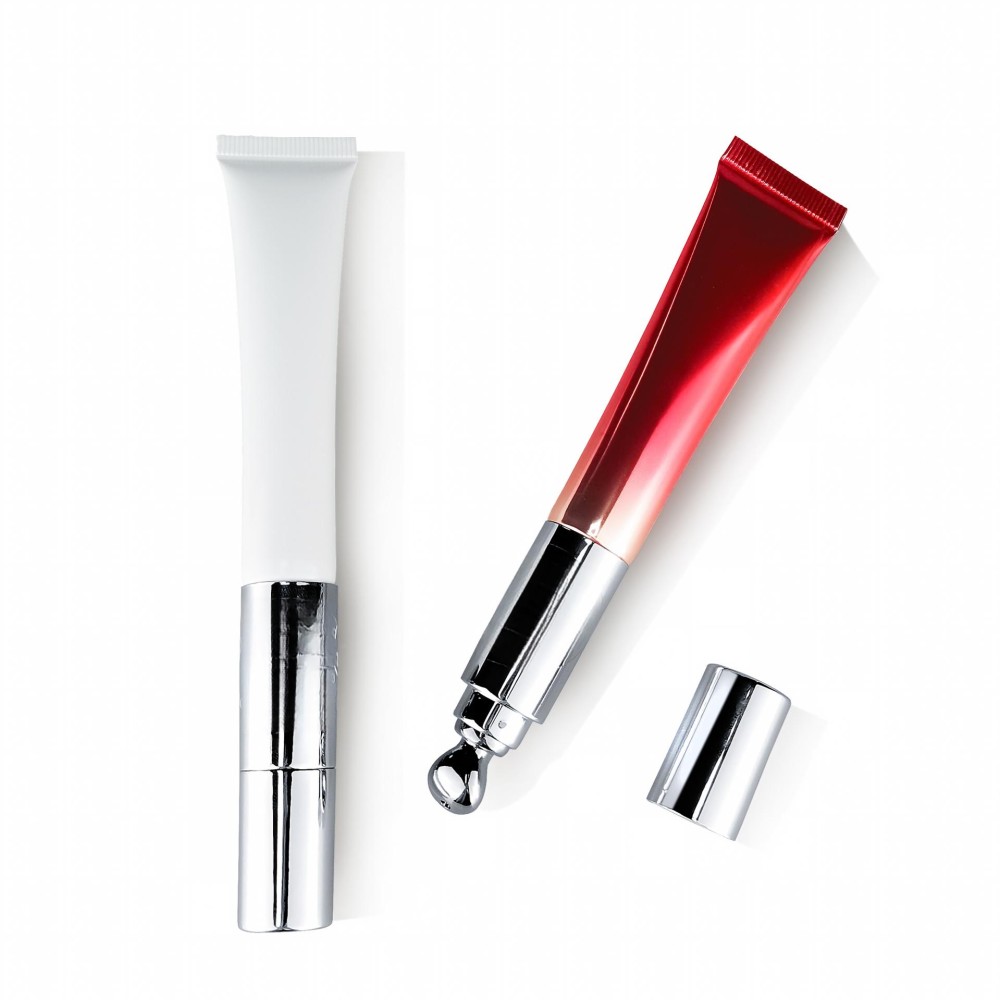
- Roller applicators for targeted application
- Precision tips for controlled dispensing
- Massage heads for skincare
- Fine-mist systems for lightweight application
- Built-in brushes or applicators
- Airless systems for formula protection and controlled dispensing
The common idea behind these formats is simple:
Packaging is no longer just the container. It becomes part of how the product is used.For products such as eye care, serums, SPF, lip care and targeted treatments, the packaging can influence not only convenience, but also the perceived performance of the product.
It can answer four very practical questions:
How to apply.How much to use.Where to apply.And how the consumer feels while using it.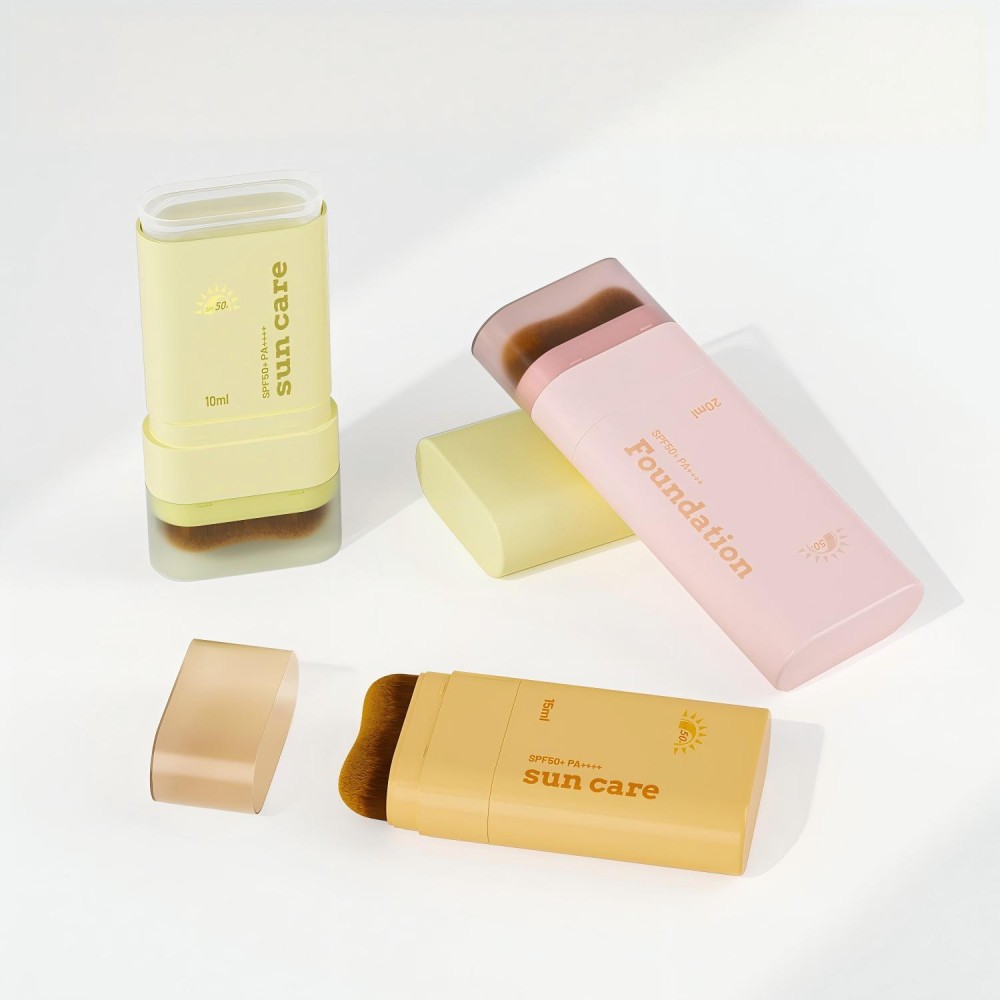
Then Comes Dual-Function Packaging
If functional packaging allows packaging to participate in product application, dual-function packaging takes this idea one step further.
Think about:
- Container + Applicator
- Bottle + Massage Head
- Tube + Precision Tip
- Packaging + Portable Format
The idea is not simply to add more features.
It is about asking:
Why use two separate components when one well-designed packaging system can do both?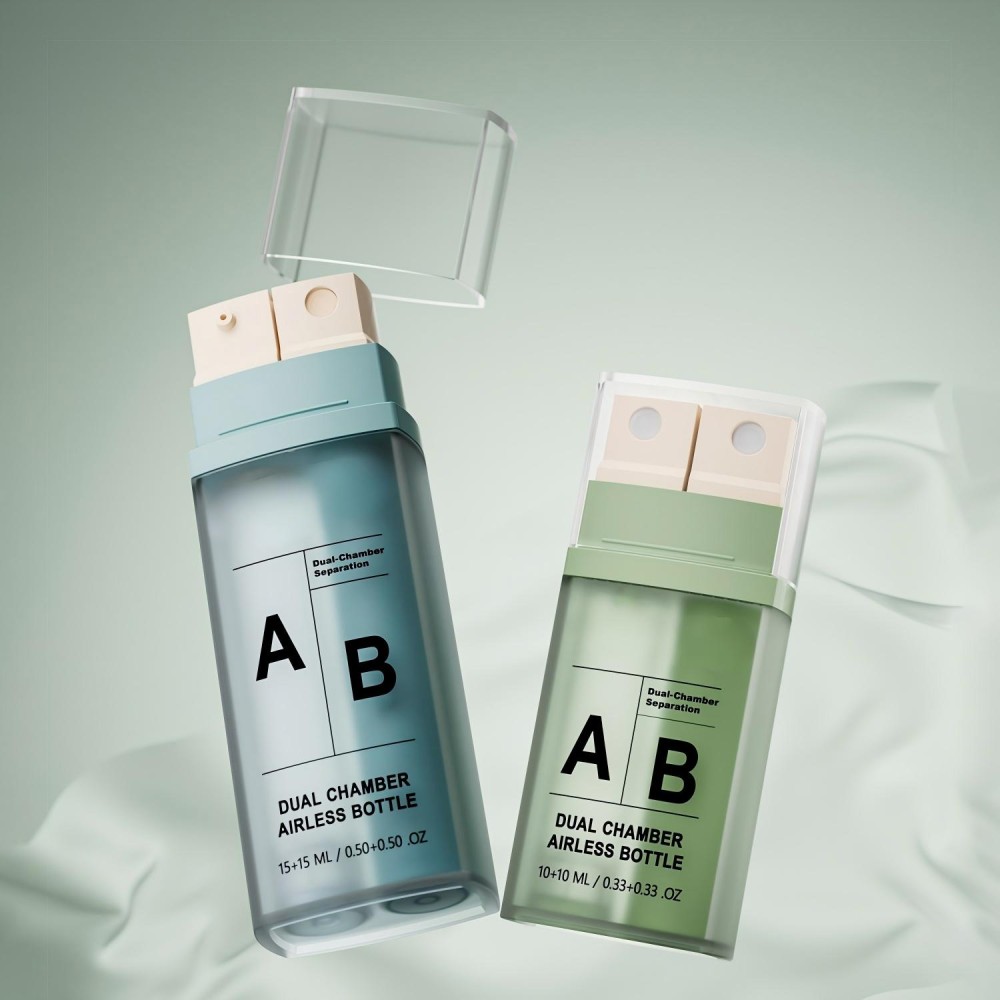
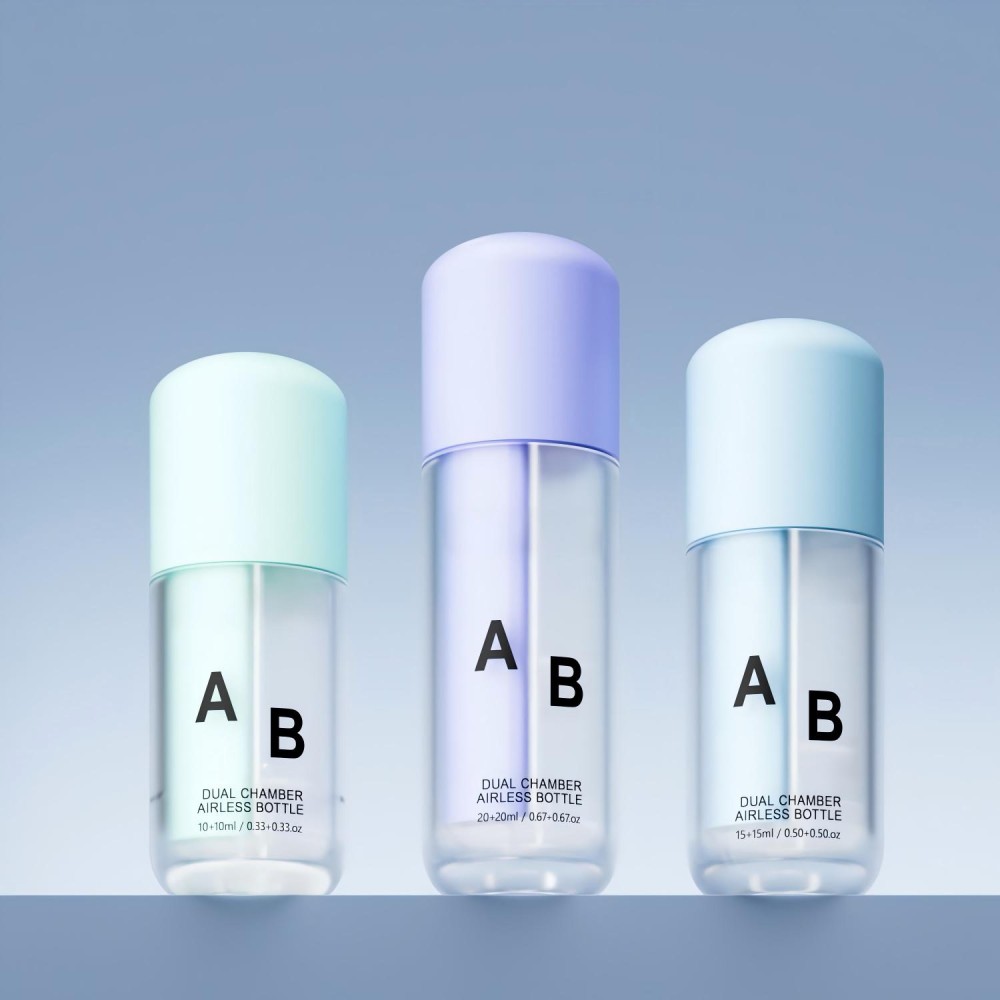
For brands, this can create a more distinctive user experience while potentially reducing unnecessary components and making the overall product format more compact.
But there is an important distinction:
More functions do not automatically mean better packaging.Every additional function should have a clear purpose and deliver real consumer value.
If a feature only makes the packaging look innovative while increasing complexity, cost or production challenges, it may not be the right solution.
The Real Challenge Is Making the Function Work at Scale
From a product development and procurement perspective, functional packaging can be much more complex than it looks.
A seemingly simple applicator may involve:
- Formula compatibility
- Dispensing performance
- Material selection
- Ergonomics
- Component assembly
- Leakage prevention
- Production consistency
- MOQ and cost
- Scalability for mass production
So packaging innovation is not simply about finding a new-looking structure.
The real challenge is making the function work consistently at scale.This is where the role of a packaging partner becomes more important.
Brands may no longer need just a bottle, tube or jar.
They may need a packaging solution that connects:
Product Requirements → Structure → Materials → Sampling → Mass Production
At PYC, we look beyond the question of
“What packaging can we supply?”We also look at:
“What problem does the packaging need to solve?”For functional and dual-function beauty packaging, we can work with brands to explore solutions such as
applicator packaging, dispensing systems, wearable packaging, airless packaging and other functional formats, based on the product concept, application method and production requirements.
Our goal is to help brands find the right balance between:
Function + Consumer Experience + Cost + Production FeasibilityBecause packaging innovation should not only look good in a presentation.
It needs to work in the consumer’s hand — and work in real production.
Packaging Innovation Is About Purpose
I don't think the future of beauty packaging is simply about making packaging more complicated.
It may actually be about making it:
More functional.More intuitive.More purposeful.Consumers may not remember the technical structure behind a package.
But they will remember whether the product was easy to use, easy to control, convenient to carry, and enjoyable to apply.
And many of those experiences start with packaging.
The future of beauty packaging may not be about adding more features.It may be about designing packaging that does more — with purpose.