2026 Beauty Packaging Trends: A Deep Dive into the Top 10 Creative Design Trends
2026-01-21 11:37:54
view:
By 2026, beauty and skincare packaging will have evolved into vibrant "brand ambassadors" — seamlessly combining sustainability, personalization, digital interactivity, and emotional value. Consumers are no longer just looking for products; they want brands that consider the entire lifecycle of their packaging — from sourcing materials to recycling. What's more, they crave packaging that delivers on both tactile pleasure and emotional connection. Technological advancements in smart packaging, accessibility, and the fusion of art and tech are redefining industry standards. Let’s explore the trends that will shape the future of beauty packaging and graphic design.
Top 10 Beauty Packaging Design Trends for 2026
The beauty packaging industry is entering an exciting new chapter. Packaging is no longer just a container — it’s a high-end vessel that communicates brand values, enhances the user experience, and demonstrates environmental responsibility. This transformation reflects a deep integration of cutting-edge technology, creativity, and sustainability. Here are the top 10 trends to watch for in 2026, each driven by innovation and changing consumer needs.
1.Sustainability 3.0: Regenerative, Transparent, and Full Lifecycle Packaging Sustainability is now at the core of beauty packaging. We’re moving beyond simple recyclability and embracing full regeneration and transparency at every stage of the packaging lifecycle.
Bio-Based Materials: Plant-based innovations like bagasse pulp and algae-derived materials are replacing traditional plastics, taking sustainability to the next level.
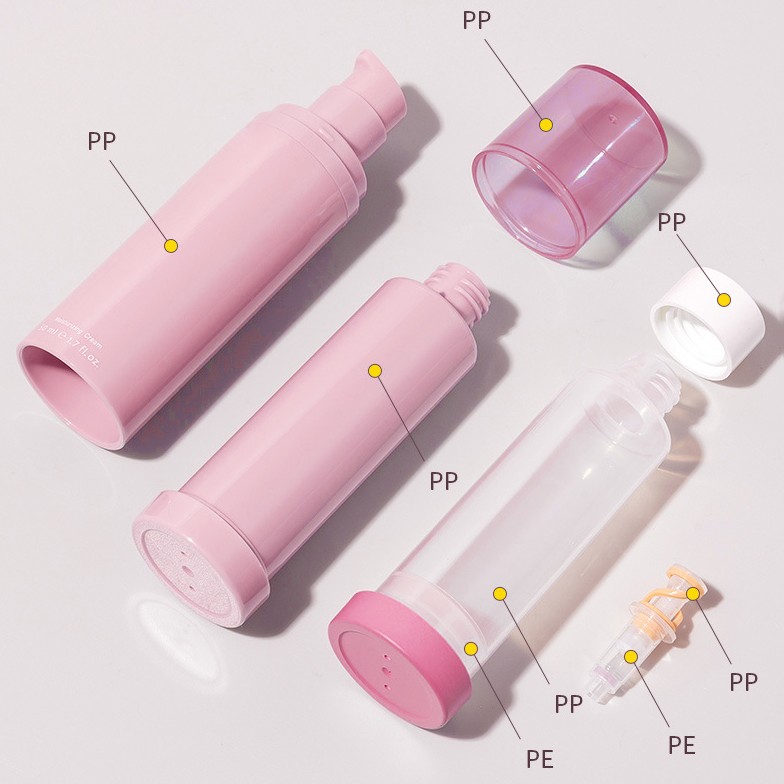
Single-Material Structures: Fewer composite materials mean easier recycling — look for packaging made from single materials like polyethylene or polypropylene.
Digital Watermarking: Near-invisible watermarks will make recycling more efficient, aiding in precise sorting and reducing waste.
Carbon Footprint Labels: Expect to see carbon data on packaging, allowing consumers to make informed eco-conscious choices.
Full Lifecycle Circular Models: Packaging that is designed for easy tracking, recycling, and reuse is no longer just an idea — it’s becoming a reality.
2.Smart Interactive Packaging: Data-Driven and Interactive Design Packaging is becoming a digital interface, connecting the physical product with a virtual experience. NFC, QR codes, and AR technology are allowing brands to engage consumers in new and exciting ways.
NFC/RFID Technology: Touchable packaging that provides instant access to tutorials, ingredient info, and loyalty programs.
Advanced QR Codes: Now, QR codes can unlock personalized content, product verification, and even digital product vouchers.
Augmented Reality: AR is enhancing shopping experiences, allowing customers to virtually try on makeup or see how products will look and feel.
Real-Time Data Tracking: Smart packaging will track how products are used, sending personalized tips and providing valuable consumer insights for brands.
3.Multisensory and Emotional Design: Creating a Ritualistic Packaging Experience Beauty routines are increasingly viewed as self-care rituals, and packaging is evolving to deliver both emotional comfort and multisensory pleasure. From tactile experiences to calming visuals and even scents, packaging is now an essential part of the beauty experience.
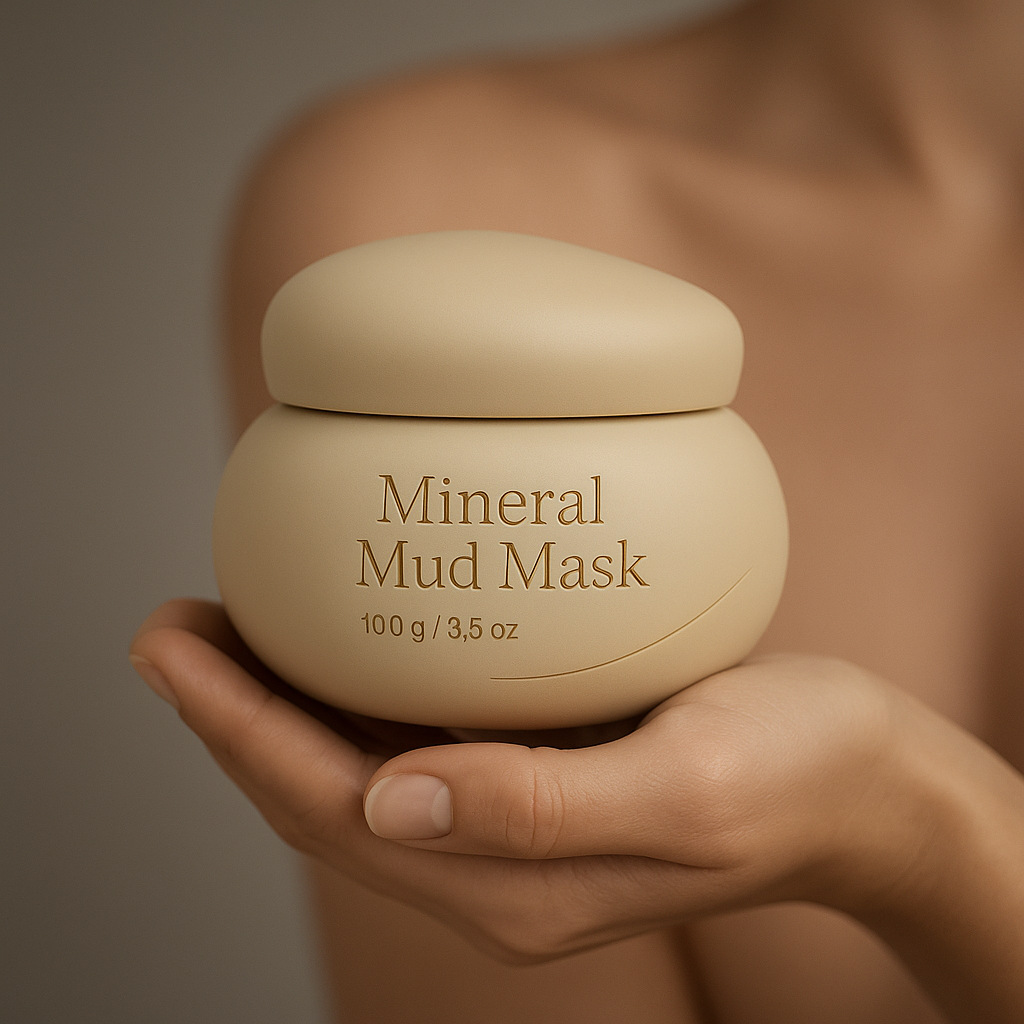
Minimalist and Wabi-Sabi Aesthetics: Soft colors, open spaces, and understated design styles bring calmness and serenity, perfect for consumers overwhelmed by visual clutter.
Dopamine Colors and Retro Vibes: Bright, playful colors and nostalgic designs resonate with younger consumers looking for self-expression and shareable moments.
Layered Unboxing Experience: Multi-layer packaging creates anticipation, making the unboxing feel like an event. This is especially popular in luxury gift sets.
Emotional Copy: Ingredients and product descriptions will be poetic and relatable, making even the most technical details feel approachable and warm.
4.Inclusive and Accessible Design: Universal Usability Packaging that works for everyone is becoming a priority. From seniors to people with disabilities, inclusive design ensures that everyone can easily interact with products. Accessibility is no longer a “nice-to-have” feature but an essential part of the design process.
Easy-Opening Structures: Expect wide-mouth designs, non-slip textures, and magnetic closures that can be opened with one hand.
Accessible Features: Braille labels, high-contrast color schemes, and voice-triggering features for visually impaired users.
Precision Dispensing: Pumps and droppers designed for accurate dispensing, reducing waste and simplifying use for all consumers.
5.Multi-Function Integrated Packaging As consumers demand more efficiency and convenience, packaging that integrates multiple functions or tools is gaining traction. These designs simplify routines while adding extra value by preserving ingredient freshness or incorporating makeup tools.
Built-In Tools: Packaging that integrates applicators, rollers, or brushes (e.g., roll-on serums or cushion compacts with built-in sponges).
Freshness Preservation: Packaging like vacuum pumps or UV-protective bottles helps preserve sensitive ingredients from light and air.
Portable Travel-Friendly Design: Lightweight, durable, and leak-proof packaging for consumers on the go.
6.Artistic and Cultural Inspirations Packaging is becoming a canvas for cultural expression, with brands drawing inspiration from diverse art forms and traditions. From incorporating traditional patterns to collaborating with artists, packaging now tells a story and connects with consumers on a deeper level.
Personalized Design: Limited-edition and collaborative designs are becoming key to building a brand’s identity and appealing to target audiences.
Cultural Patterns: Packaging that features local symbols, art, or culturally-inspired designs deepens the emotional bond between the consumer and the brand.
Multi-Use Gift Boxes: Packaging that can be repurposed into storage or decorative items after use extends its lifecycle and adds value.
7.Fusion of Innovative Applicators and Sensory Luxurious Packaging In 2026, high-end beauty packaging will combine sensory luxury with advanced applicator functionality. The focus is on delivering both premium aesthetics and practical, enjoyable user experiences.
Luxurious Materials: Frosted, colored, or textured glass combined with engraved aluminum creates both sophistication and eco-consciousness.
Exquisite Surface Crafting: Techniques like gold foiling and selective glossing will elevate packaging to new heights.
Ergonomic, Weighted Design: Bottles with ergonomic curves that fit perfectly in the hand will create a sense of exclusivity and luxury.
Built-In Applicators: Packaging that integrates brushes or spatulas for added convenience.
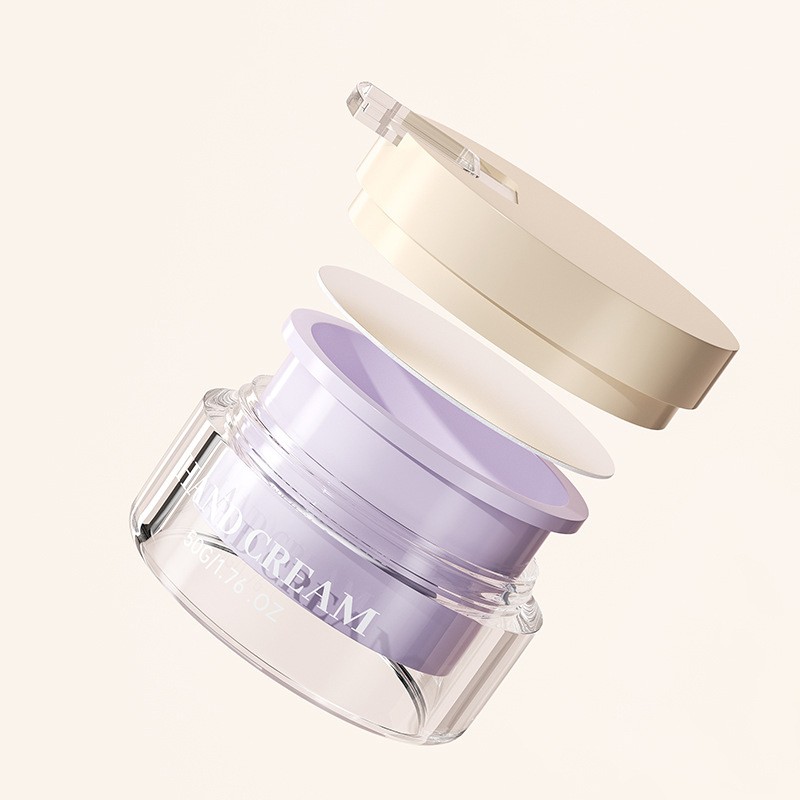
Hygienic Storage: Hidden storage areas keep applicators separate from the product, ensuring cleanliness.
8&9.Minimalist and Lightweight Aesthetic Consumers and regulatory bodies alike are pushing for simpler, more sustainable packaging. The focus is on using single materials and streamlining designs to make recycling easier and reduce environmental impact.
Minimalist Design: Elegant, simple packaging with a focus on quality and sustainability.
Lightweight Crafting: Materials are chosen to reduce weight without sacrificing strength, lowering the carbon footprint during shipping.
10.Color Psychology and Visual Impact Color is a powerful tool in beauty packaging. It not only grabs attention but also communicates a product’s attributes and emotional appeal to the consumer.
Strategic Color Choices: White for purity, black for sophistication, blue for reliability, red for energy, and green for eco-friendliness.
Embellishment Techniques: Gold and silver foiling, unique gradients, and other techniques will add a premium feel to packaging.
Trend Colors: 2026 beauty packaging will feature pink tones, matcha green, and deep cinematic shades.
The focus on full lifecycle packaging is driving a shift toward circular systems, encouraging consumers to participate in recycling or repurposing programs. Models that offer rewards like discounts or loyalty points for returning empty packaging are becoming industry standards.
Repurposable Packaging: After use, packaging can be transformed into storage or decorative items.
Clear Recycling Instructions: Packaging will feature easy-to-understand instructions and incentives for returning products.
Recyclable Materials: Brands will use clear labels and recyclable materials to make recycling easier and engage consumers in sustainability efforts.