PPWR Is Now in Force: Is Your Beauty Packaging Ready for the Next Stage?
2026-08-19 13:13:37
view:
On August 12, 2026, the EU Packaging and Packaging Waste Regulation (PPWR) officially entered into force. For beauty and skincare brands selling products in the EU market, packaging compliance is no longer something to prepare for “in the future.” It is becoming a real market-access requirement. But the real question is not simply: “Is PPWR now effective?” The more important question is: “Is your packaging ready for what comes next?”
1. First, understand who is responsible
PPWR does not simply place responsibility on packaging manufacturers. The legal “producer” is not necessarily the factory. The manufacturer, importer or distributor that first places packaged products on the EU market may have EPR responsibilities. For brands that import or sell directly, the brand itself may fall into this role. That is why packaging sourcing can no longer focus only on: Cost. MOQ. Lead time. Appearance. Brands also need to ask: Can my packaging supplier provide clear and traceable compliance data?
2. PPWR compliance is more than a certificate
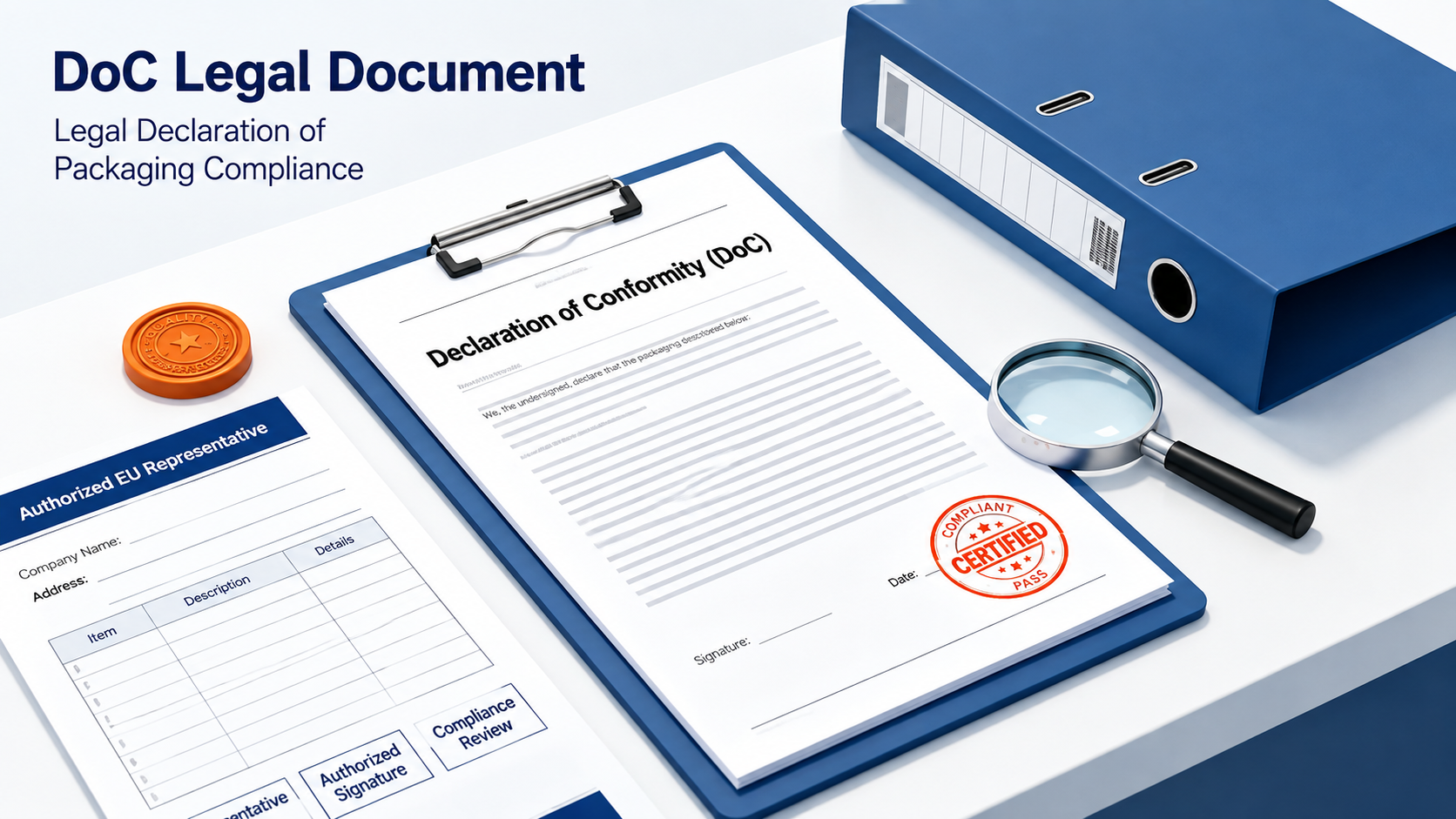
Two important pillars of PPWR compliance are: Declaration of Conformity (DoC) and Technical Documentation The DoC is the formal declaration of compliance, while the technical documentation provides objective and traceable evidence showing that the packaging meets the relevant requirements. For packaging suppliers, this means materials, components, testing data and supporting documentation need to become increasingly transparent and traceable. Depending on the packaging, suppliers may need to provide information such as heavy-metal or PFAS testing, recyclability assessments and material composition data. The brand or final producer then needs to consolidate supplier information and complete the overall compliance assessment. In other words: Packaging design and packaging compliance are becoming increasingly connected.
3. Two requirements deserve immediate attention
At this stage, Articles 5 and 6 are among the key areas to focus on.
Restrictions on substances of concern
PPWR sets limits for certain substances in packaging. For example, the total concentration of lead, cadmium, mercury and hexavalent chromium must not exceed 100 mg/kg. For food-contact packaging, the regulation also introduces specific PFAS restrictions, while the EU may continue to review and expand the list of restricted substances.
Design for Recycling
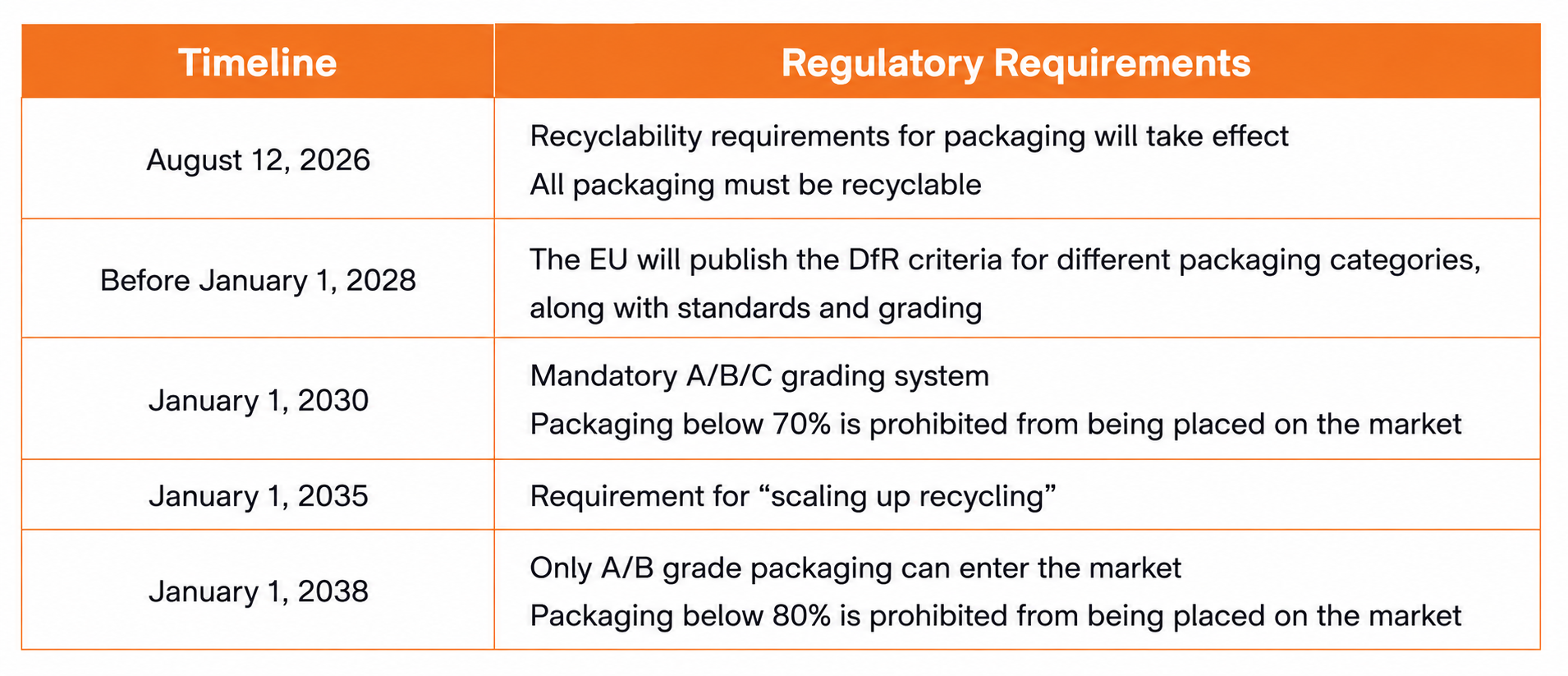
Another major requirement is Design for Recycling (DfR). For brands developing their next packaging range, the question should no longer be only: “Does this packaging look good?” It should also be: “Is this packaging designed with future recyclability in mind?” PPWR makes it clear that brands and final producers cannot simply leave this responsibility to packaging suppliers. Brands need to communicate compliance requirements to suppliers and actively push for recyclable designs and supporting evidence before packaging enters the market.
4. Don't only prepare for today
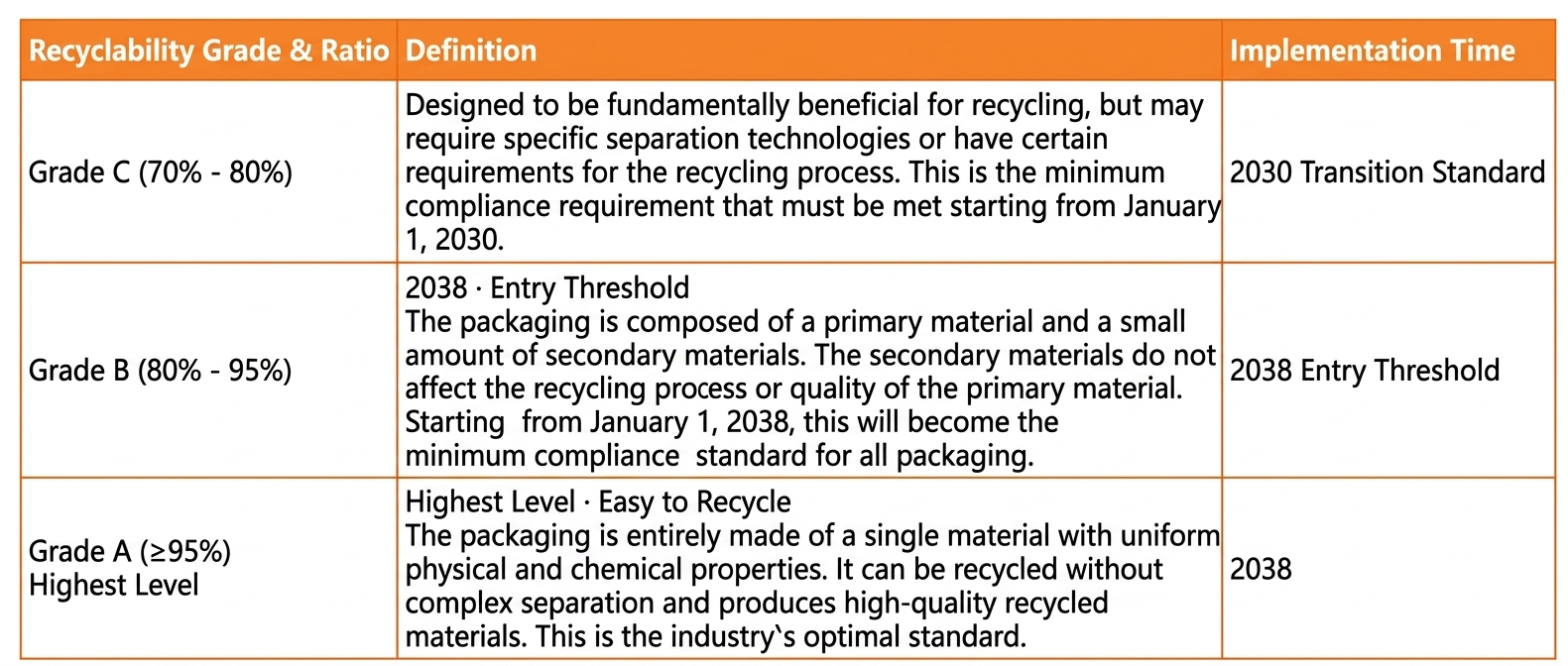
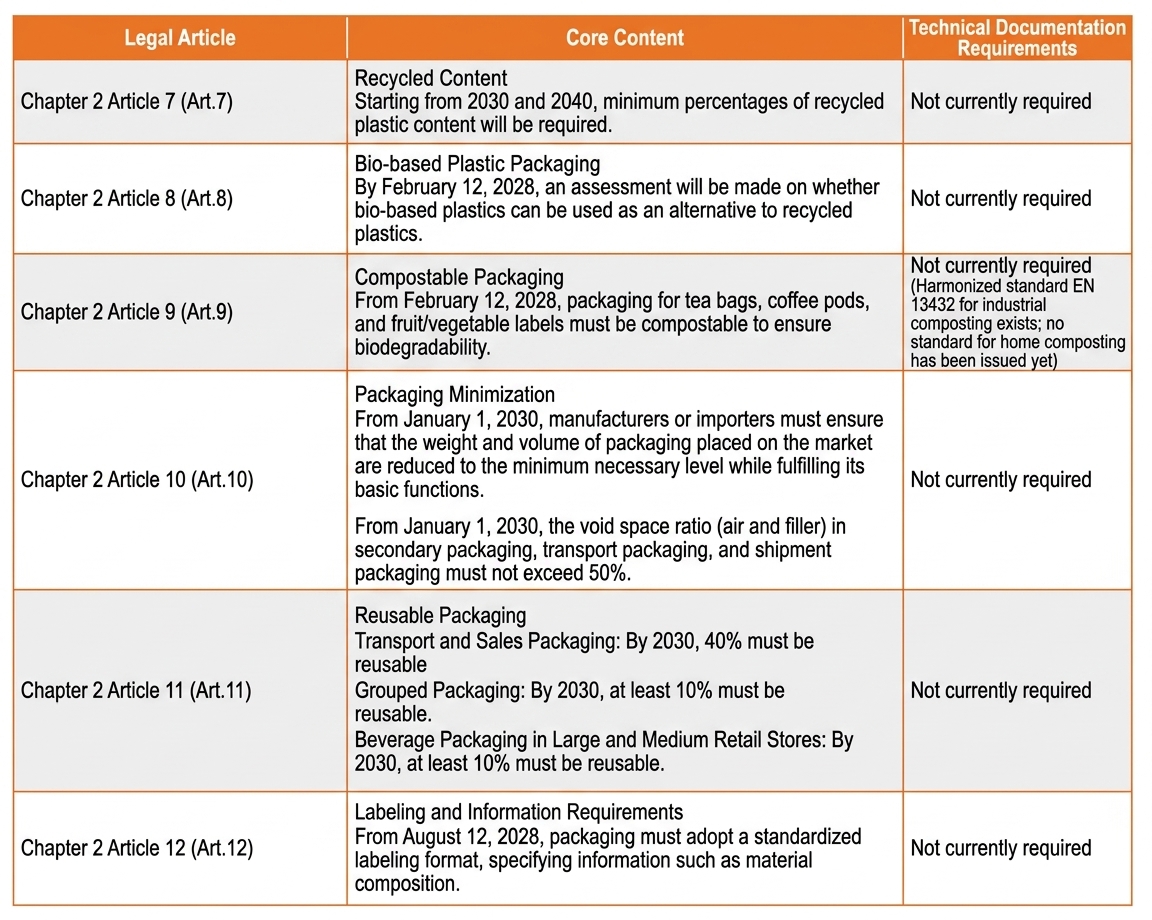
Some PPWR requirements have transition periods, but they may involve product redesign, material changes and supply-chain adjustments. That means businesses need to start planning well in advance. By January 2028, the EU is expected to further define specific standards for Design for Recycling, assessment methods and recyclability performance grades. Before that, businesses can refer to EN 13430 and recognized third-party recyclability or recycling-compatibility certifications, including schemes such as RecyClass where applicable. For beauty brands developing new products, upgrading existing packaging or qualifying new suppliers, this leads to an important consideration: The packaging you choose today may determine the cost and complexity of your supply-chain adjustments tomorrow.
5. EPR should also be part of your packaging planning
EPR is an important part of the PPWR management framework. The party that first places packaged products into circulation in an EU member state may be considered the “producer” and therefore carry the corresponding obligations. This means companies need to consider the destination country, producer status, packaging scope, official registration, EPR registration number and PRO participation. Even when a supplier is not legally considered the producer, providing accurate packaging material, weight and quantity data can help the brand or importer complete registration and reporting requirements.
What should beauty brands do now?
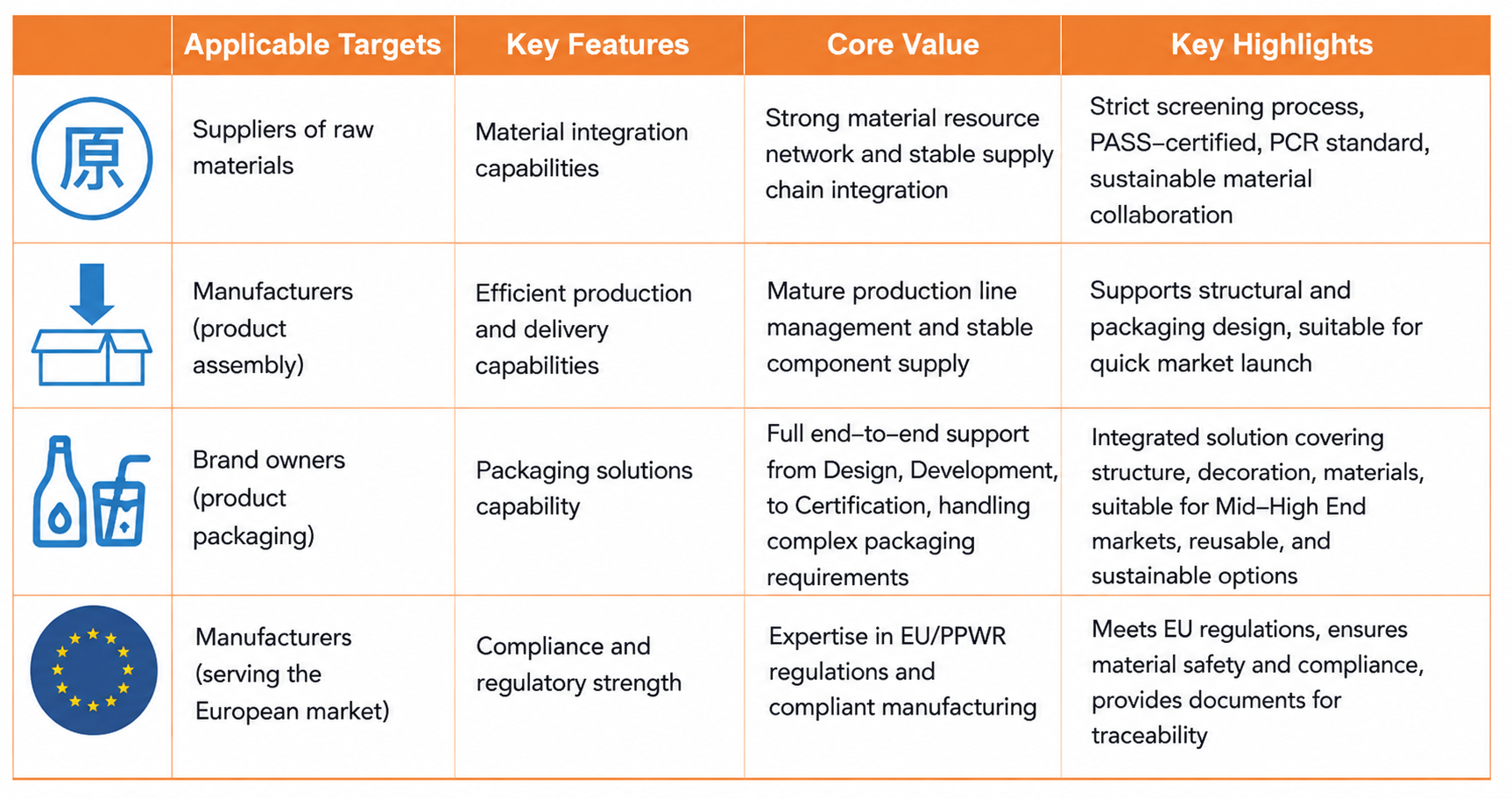
If your products are already sold in the EU — or you are planning to enter the EU market — it is worth reviewing your packaging now rather than waiting until every requirement is fully implemented. A practical starting point is: Material → Structure → Recyclability → Documentation → EPR Because the value of a packaging partner is no longer limited to manufacturing the package itself. The stronger partner is the one that can help brands consider materials, structure, recyclability, compliance documentation and supply-chain coordination together — before packaging enters the market.
That is the role PYC aims to play for overseas beauty and skincare brands: not simply supplying cosmetic packaging, but helping brands evaluate packaging options earlier, connect packaging decisions with sustainability and compliance considerations, and reduce the risks and costs of future supply-chain adjustments. For brands planning their next packaging project, compliance should not be the final checkpoint — it should be part of the packaging strategy from the beginning. Explore packaging solutions at www.pyc365.com