Eco-friendly Packaging Materials: A Sustainable Future for Packaging
2026-01-14 16:24:36
view:
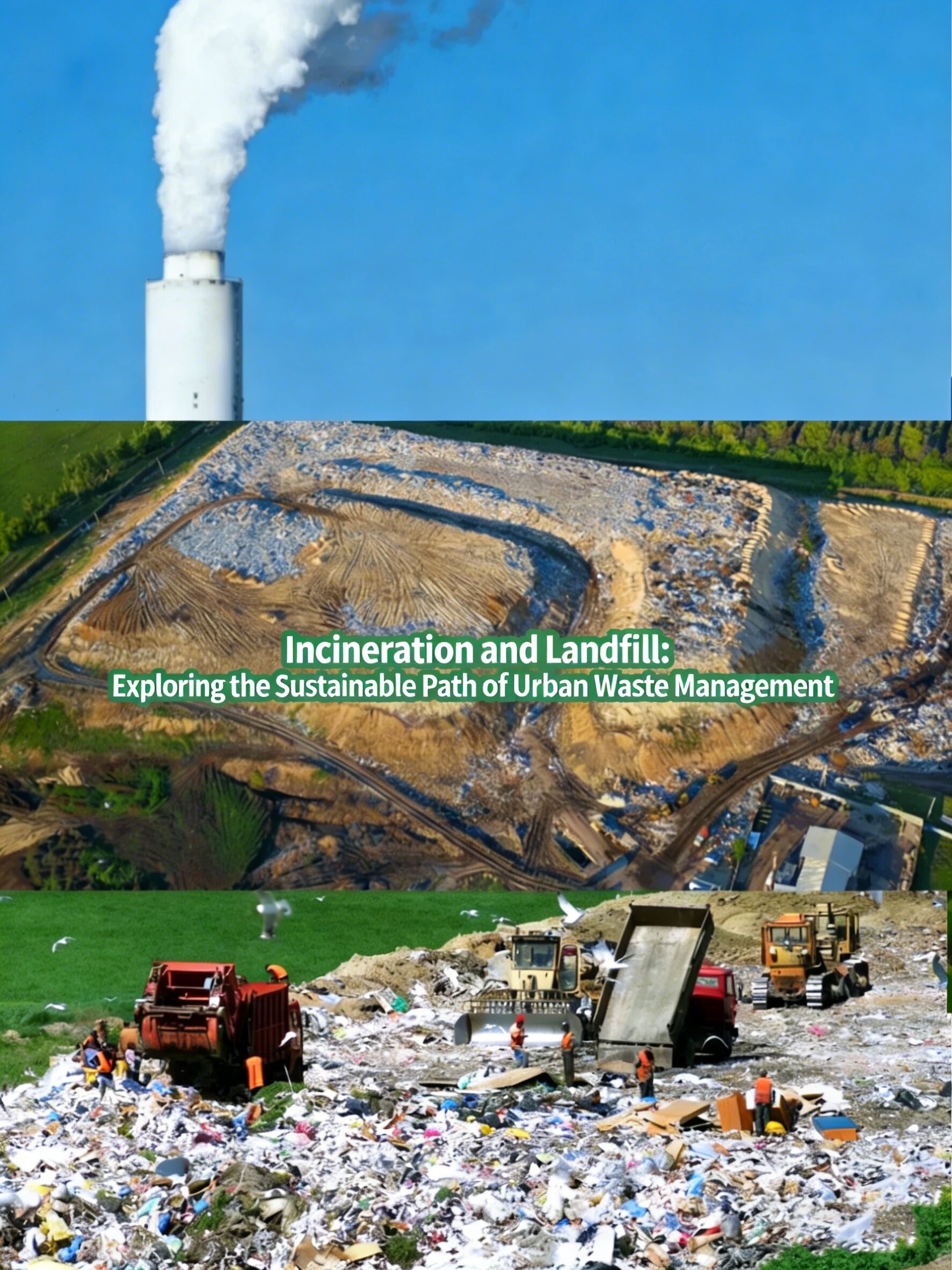
When we tear open a package, rip through a snack wrapper, or twist open a beverage bottle, have you ever wondered where these packages will ultimately end up? Each year, over 300 million tons of plastic waste are produced globally, and most of it ends up in landfills or the environment, taking centuries to decompose.
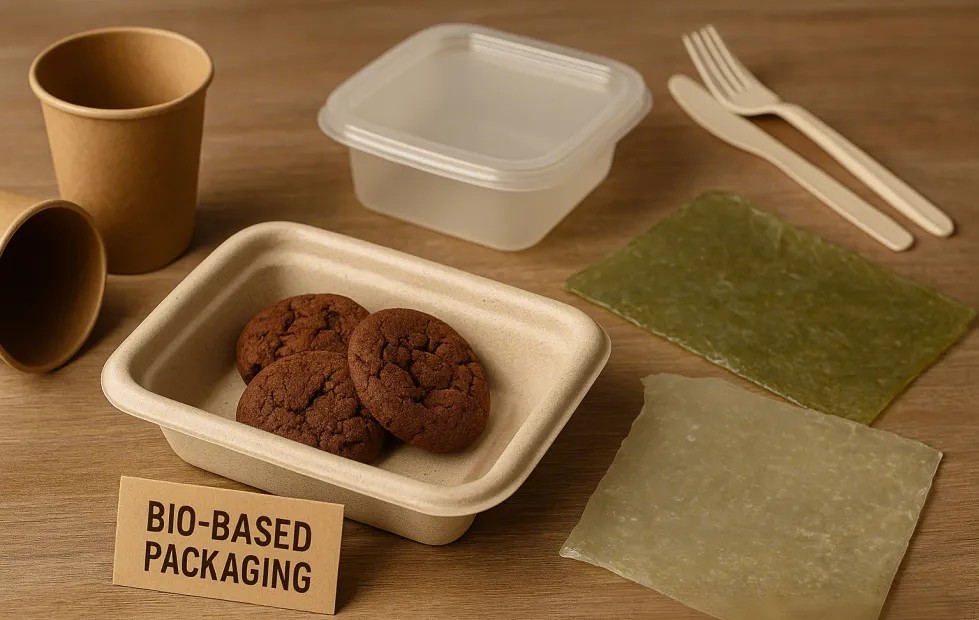
In response to this growing issue, plant-based (bio-based) packaging materials have emerged as a viable solution. These eco-friendly materials, made from natural plant resources, not only reduce our dependence on fossil fuels but also help to cut down carbon emissions. Moreover, they are biodegradable and renewable, making them essential for the future of sustainable packaging.
At PYC, we believe packaging should protect both products and the planet. Today, let’s explore some of the most innovative natural packaging solutions and see how they are transforming the packaging industry by offering both functionality and environmental benefits.
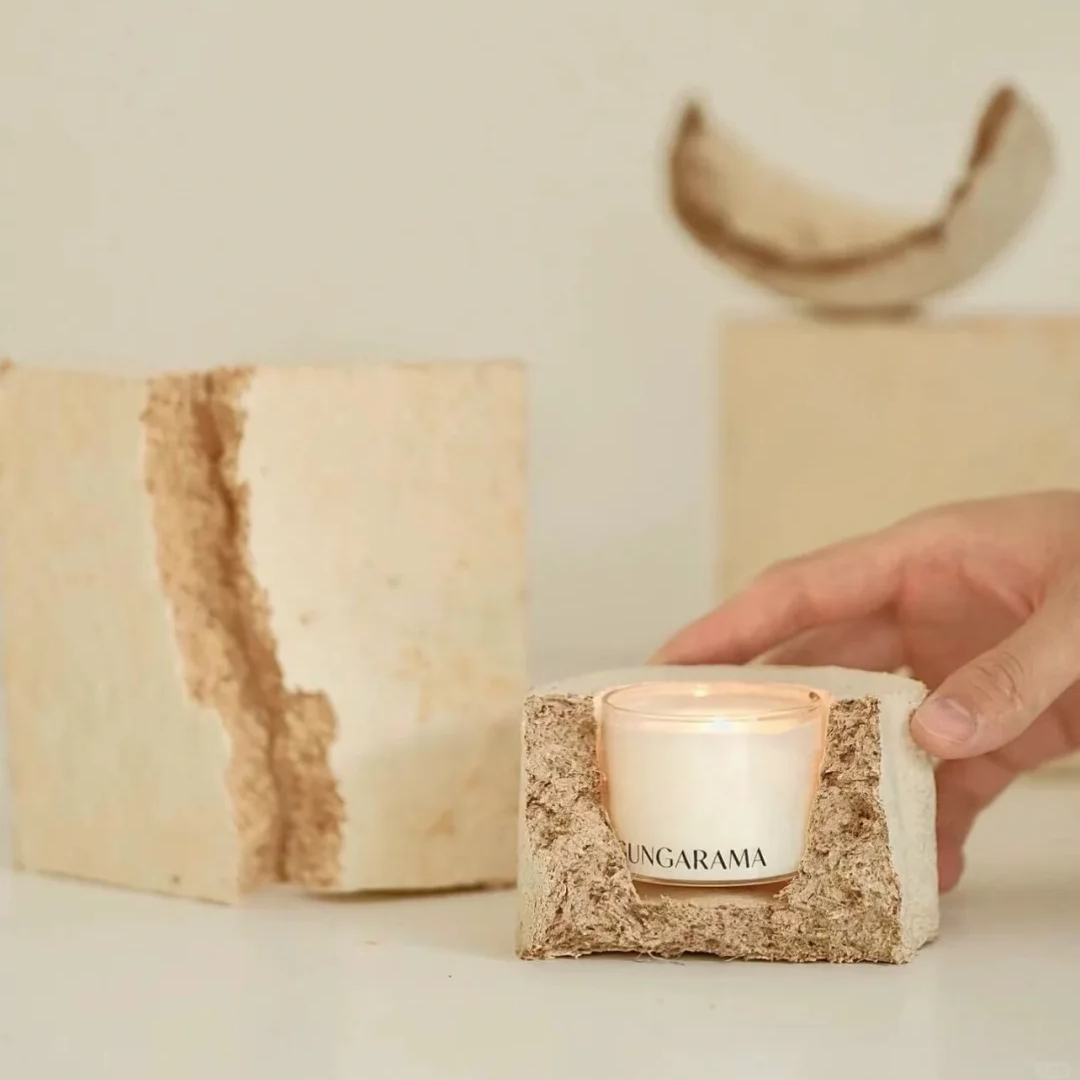
Mycelium, the root system of fungi (commonly found underground in mushrooms), is one of the most exciting natural materials for packaging. Mycelium can grow into specific shapes in molds, offering protective cushioning similar to synthetic foams like polystyrene. As a biodegradable material, mycelium can replace non-biodegradable options, reducing the environmental impact of packaging while still providing the protective qualities needed for delicate products.
3. Algae-Based Packaging
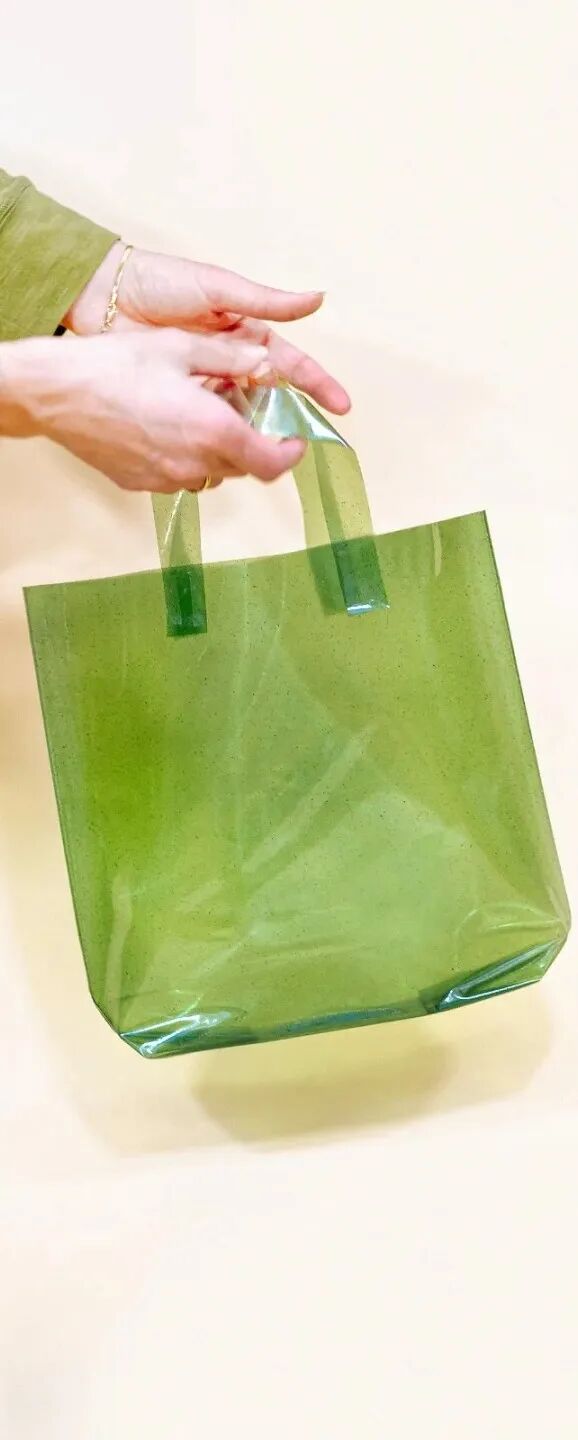
Algae, which thrive in still water environments, offer a more sustainable alternative to traditional sources like corn or sugarcane. Algae-based packaging is biodegradable, produces zero waste, and helps reduce plastic production. Made through natural fermentation processes that avoid chemical processing, algae packaging provides a clean, eco-friendly solution. Moreover, one hectare of ocean can produce up to 40 tons of dry algae, which absorbs over 20 tons of CO2 during processing, creating a carbon-negative effect and contributing to a cleaner environment.
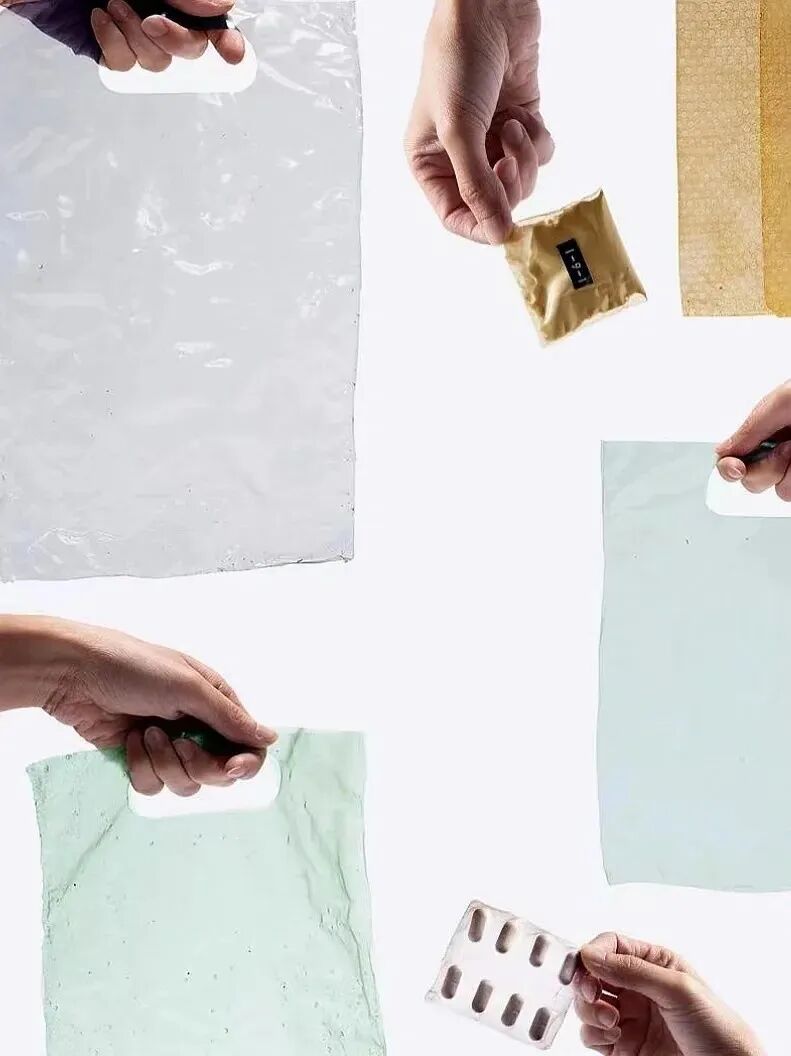
Marine shell plastic is made from chitin extracted from discarded shrimp shells. Chitin, a natural polymer, can be combined with other ingredients to create biodegradable bioplastics. This material provides a sustainable alternative to traditional plastic packaging, reducing the environmental impact of plastic waste. The production of marine shell plastics also helps reduce waste from seafood processing by turning what would have been discarded into valuable packaging material.
6. Coffee Grounds
Coffee grounds, rich in cellulose, hemicellulose, and lignin, are an ideal material for bio-based packaging. These natural compounds enhance the durability and preservation properties of the packaging. Designer Paola Sakr has already demonstrated the potential of coffee grounds by creating biodegradable containers from waste coffee grounds and other organic waste materials. Not only does this process create eco-friendly products, but it also significantly reduces carbon emissions. Coffee grounds reduce carbon emissions by 48% compared to bamboo charcoal and 85% compared to coconut charcoal. As a result, coffee grounds provide a sustainable and effective solution for reducing the environmental impact of packaging.
Why Plant-Based Materials Are the Future of Sustainable Packaging